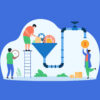
Demand generation is a marketing strategy focused on building long-term brand awareness, education, and trust to create a predictable sales pipeline. Unlike lead generation, which captures contact information from buyers already in-market, demand generation works earlier in the journey to make sure prospects know who you are before they’re ready to buy.
This guide covers how demand generation works, the channels and tactics that drive it, the metrics that matter, and the mistakes that undermine even experienced teams.
What is Demand Generation
Demand generation is a marketing strategy focused on building long-term brand awareness, education, and trust to create a predictable sales pipeline. The goal is to make sure buyers know who you are and what you do well before they’re ready to purchase.
The process works in three phases. First, demand creation reaches broad audiences with ungated content like blogs, podcasts, and social posts to surface pain points buyers may not yet recognize. Second, nurturing builds familiarity over time by providing value without immediately asking for contact details. Third, demand capture converts warm, educated prospects into leads when they signal buying intent.
Why does this matter? B2B buyers, especially in SaaS, often spend months researching before engaging a vendor. If your company isn’t visible during that research phase, you won’t make the shortlist.

Why Demand Generation Matters in B2B SaaS Marketing
SaaS buying cycles are long. A mid-market software purchase can take six to nine months, and enterprise deals often stretch beyond a year. During that time, buyers are researching, comparing, and forming opinions.
Demand generation keeps your company visible throughout that process. Here’s what that looks like in practice:
- Pipeline predictability: Consistent investment in awareness and education creates a steady flow of prospects who already understand your value. This reduces reliance on outbound prospecting alone.
- Sales and marketing alignment: Demand generation connects top-of-funnel engagement with downstream pipeline goals. Marketing warms the audience; sales closes the deal.
- Lower acquisition costs over time: Paid ads stop working the moment you stop paying. Content, SEO, and brand investment compound. A well-indexed article or a strong reputation with analysts continues generating awareness for years.
Types of Demand Generation
Not all demand generation looks the same. The approach you choose depends on your stage, budget, and where your buyers spend time.
Inbound Demand Generation
Inbound attracts prospects through content, SEO, and organic channels. The buyer discovers your resources while researching a problem, and you earn their attention by being helpful. This approach takes time to build but scales well once it gains momentum.
Outbound demand generation
Outbound takes your message directly to target prospects through cold email, LinkedIn outreach, and paid ads. It’s faster to launch than inbound but requires ongoing investment to sustain. When budget stops, so does performance.
Demand Generation Channels and Tactics
The channels you choose depend on where your buyers spend time and how they prefer to learn.
Content Marketing
Blogs, guides, and thought leadership establish authority. The key is to provide value without gating everything. Ungated content builds trust; gated content captures leads. Most programs use both, but the ratio matters.
SEO, AEO, and GEO
SEO (search engine optimization) drives organic discovery through Google and Bing. AEO (answer engine optimization) optimizes for AI assistants like ChatGPT and Perplexity. GEO (generative engine optimization) focuses on appearing in AI-generated search results.
As buyers increasingly use AI tools for research, AEO and GEO are becoming as important as traditional SEO.
Webinars and virtual events
Live and on-demand webinars build trust by putting a face to your brand. They work well for mid-funnel engagement, when prospects already know you exist and want to go deeper.
Email marketing and nurture
Nurture sequences educate prospects over time without pushing for an immediate sale. The best programs segment by interest and behavior, sending relevant content rather than generic blasts.
Paid digital advertising
Paid search, social ads, and display advertising amplify reach to targeted buyer groups. Paid media is useful for accelerating awareness, but it works best when paired with organic efforts.
Account based marketing
ABM targets specific high-value accounts with personalized campaigns. It’s particularly useful for enterprise sales, where a small number of accounts represent a large share of potential revenue.
Demand Generation Metrics and KPIs
Measuring demand generation requires looking beyond vanity metrics like impressions or clicks.
Marketing qualified leads
An MQL is a lead that meets criteria suggesting a higher likelihood of becoming a customer. The definition varies by company, but it typically includes demographic fit and engagement signals.
Sales qualified pipeline
SQL and sales qualified pipeline refer to opportunities that sales has accepted and is actively working. This is where marketing’s contribution becomes tangible
Cost per acquisition
CPA measures the total cost required to acquire a customer. It’s useful for comparing channel efficiency and making budget decisions.
Customer lifetime value
CLV is the total expected revenue from a customer over the full relationship. When CLV is high relative to CPA, you have room to invest more in acquisition.
Return on marketing investment
ROMI measures revenue generated relative to marketing spend. It’s the ultimate measure of program performance, though it can take months to calculate accurately in B2B.
Demand Generation Tools and Software
The right tools make execution easier and measurement more accurate.
CRM Platforms
CRM (customer relationship management) software like Salesforce or HubSpot tracks leads, opportunities, and pipeline. It’s the system of record for sales and marketing alignment.
Marketing Automation Software
Platforms like Marketo and HubSpot automate nurture sequences, lead scoring, and campaign workflows. They save time and ensure consistent follow-up.
Analytics and Attribution Tools
Google Analytics, Google Search Console, and attribution platforms track campaign performance and channel contribution. Without them, you’re guessing.
Intent and ABM Platforms
Intent data signals indicate when a company is actively researching a topic. Platforms like Demandbase and 6sense use this data to improve targeting and prioritization.
Who Owns Demand Generation On The Marketing Team
In most B2B SaaS companies, a demand generation manager or director owns the function. This person coordinates content, digital, and field marketing to drive pipeline.
The role typically reports to the CMO or VP of Marketing. In smaller organizations, demand generation may sit under growth marketing or report directly to the founder.
Common demand generation mistakes
Even experienced teams make errors that undermine their programs.
Confusing lead volume with pipeline quality
A high lead count means nothing if those leads don’t convert. Focus on quality over quantity.
Ignoring brand and category investment
Demand capture without demand creation eventually depletes the market. You can only capture demand that exists. Long-term brand building creates new demand.
Over-indexing on paid media
Paid channels deliver fast results, but performance disappears when budget stops. Balance paid with organic investment.
Poor sales and marketing alignment
Unclear definitions, missing SLAs, and weak feedback loops cause leads to fall through the cracks. Regular communication between teams prevents this.
Frequently Asked Questions about Demand Generation
Is demand generation a good career path?
Yes. Demand generation roles are in high demand at B2B SaaS companies, and the function offers clear advancement potential into VP of Marketing and CMO roles.
How much should a B2B SaaS company spend on demand generation?
Budgets vary widely based on company stage and growth goals. Demand generation typically represents a substantial portion of the overall marketing budget, often 40–60% at growth-stage companies.
How long does demand generation take to produce pipeline?
Timing depends on sales cycle length and channel mix. Most B2B programs require three to six months to show measurable pipeline impact.
What is the difference between demand generation and growth marketing?
Growth marketing covers the full customer lifecycle, including retention and expansion. Demand generation focuses specifically on awareness and pipeline creation.